Recessed Chamber Filter Press
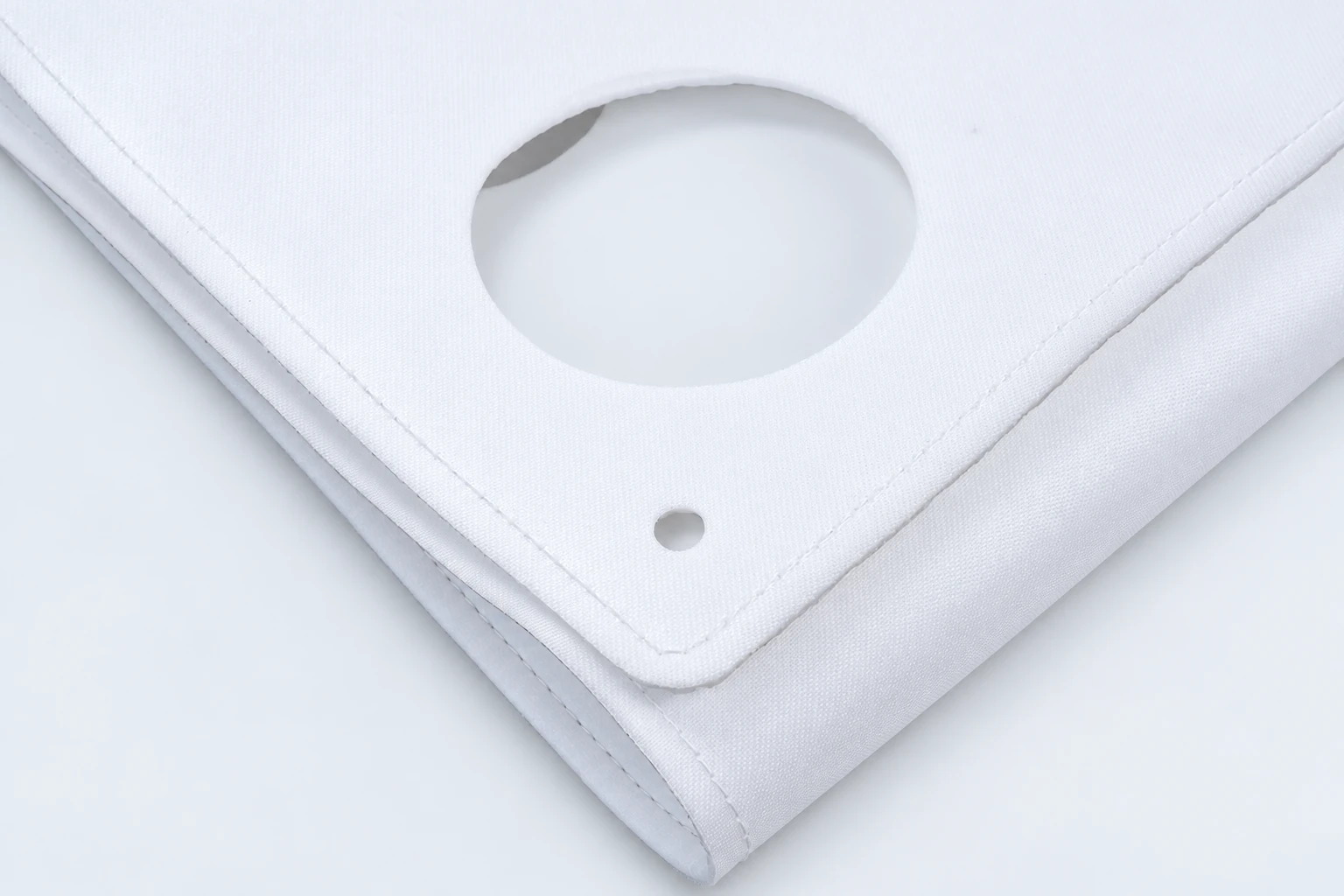
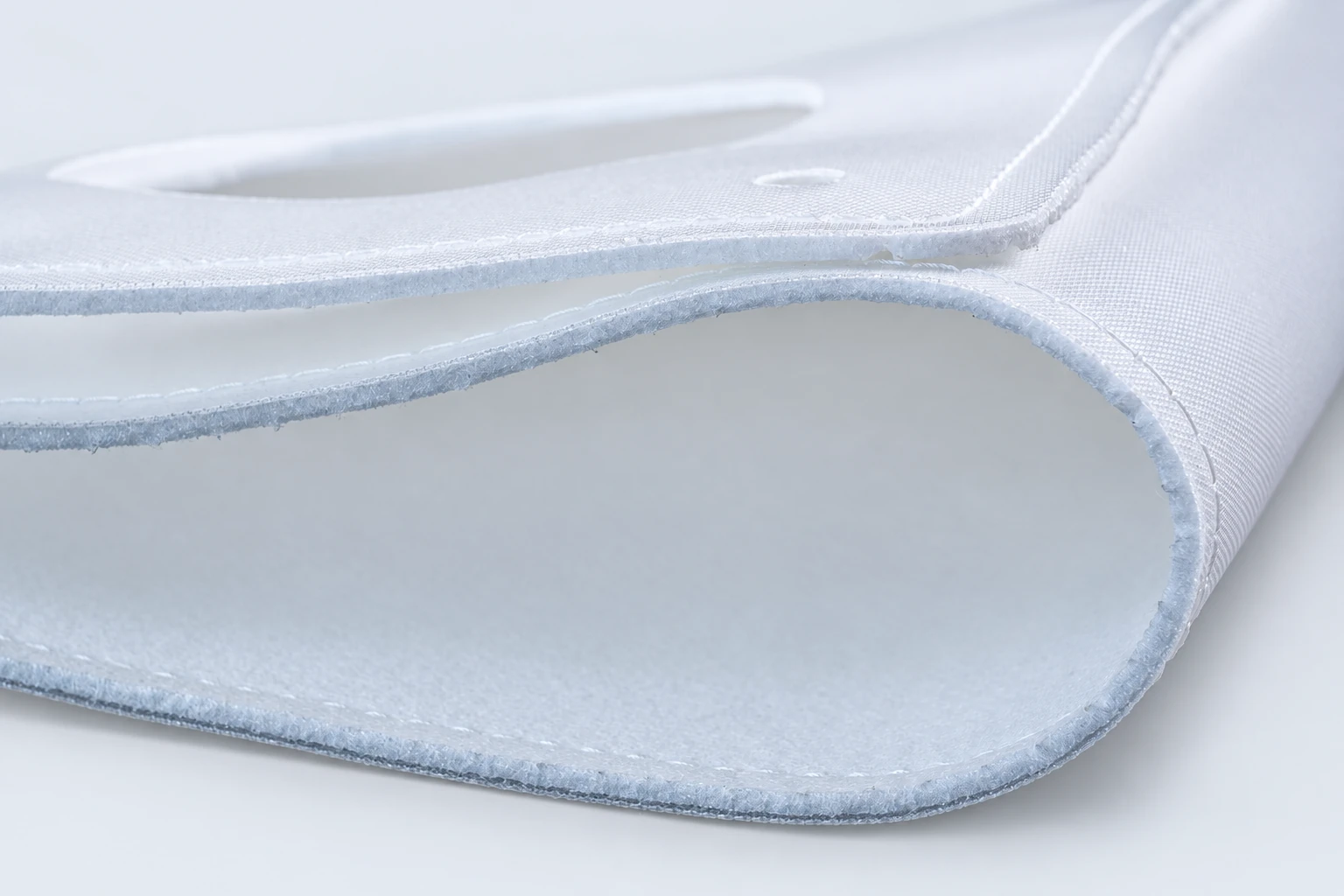
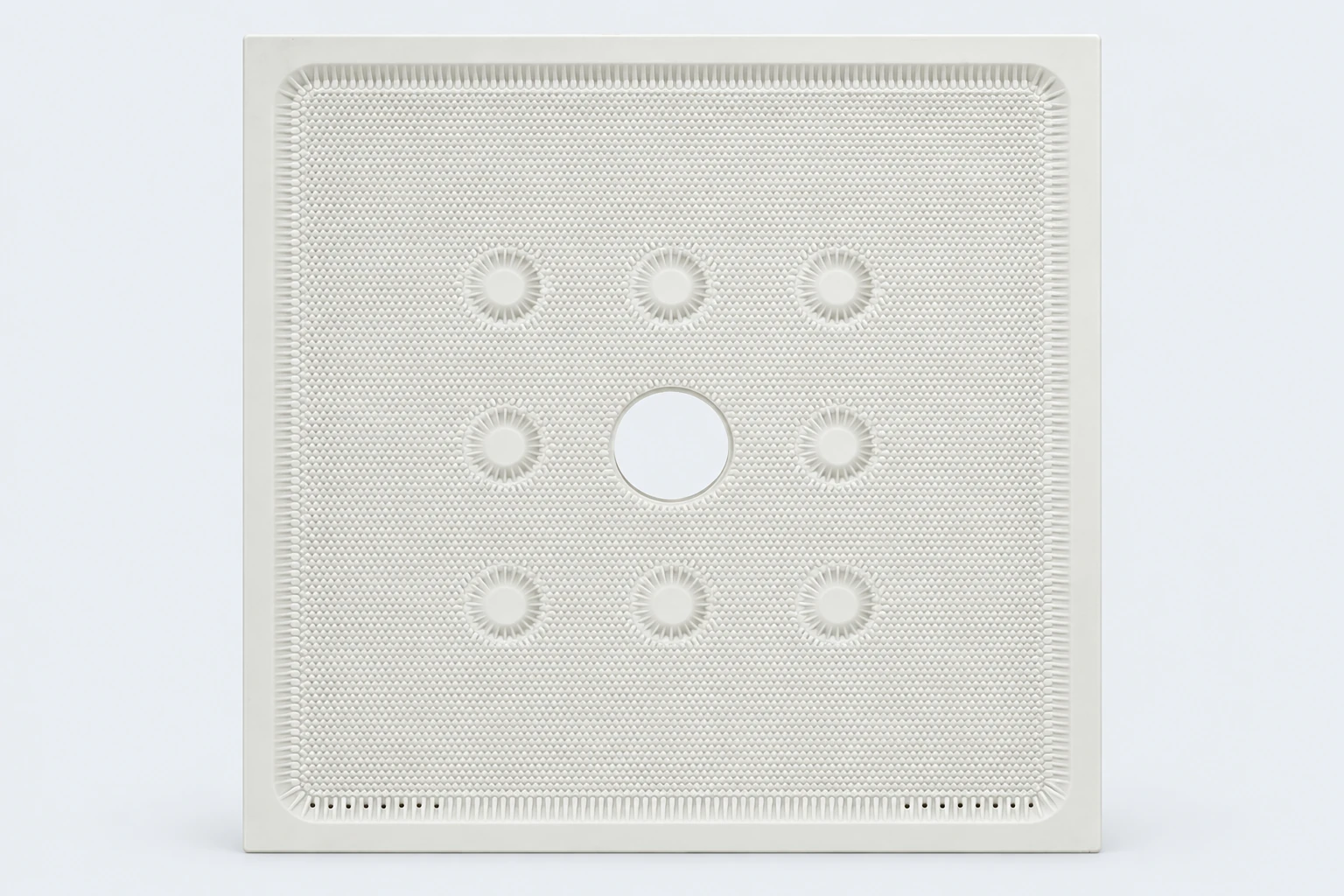
Review the chamber plate dimensions, feed opening or neck, sealing edge, attachment, and cloth orientation. Existing cloth photos and a plate drawing help establish the replacement geometry.
Custom replacement filter press cloth for recessed, membrane, and plate-and-frame equipment. Review material, woven construction, and finished fit from your plate details, current cloth, drawing, or sample.
Request Filter Press Cloth Quote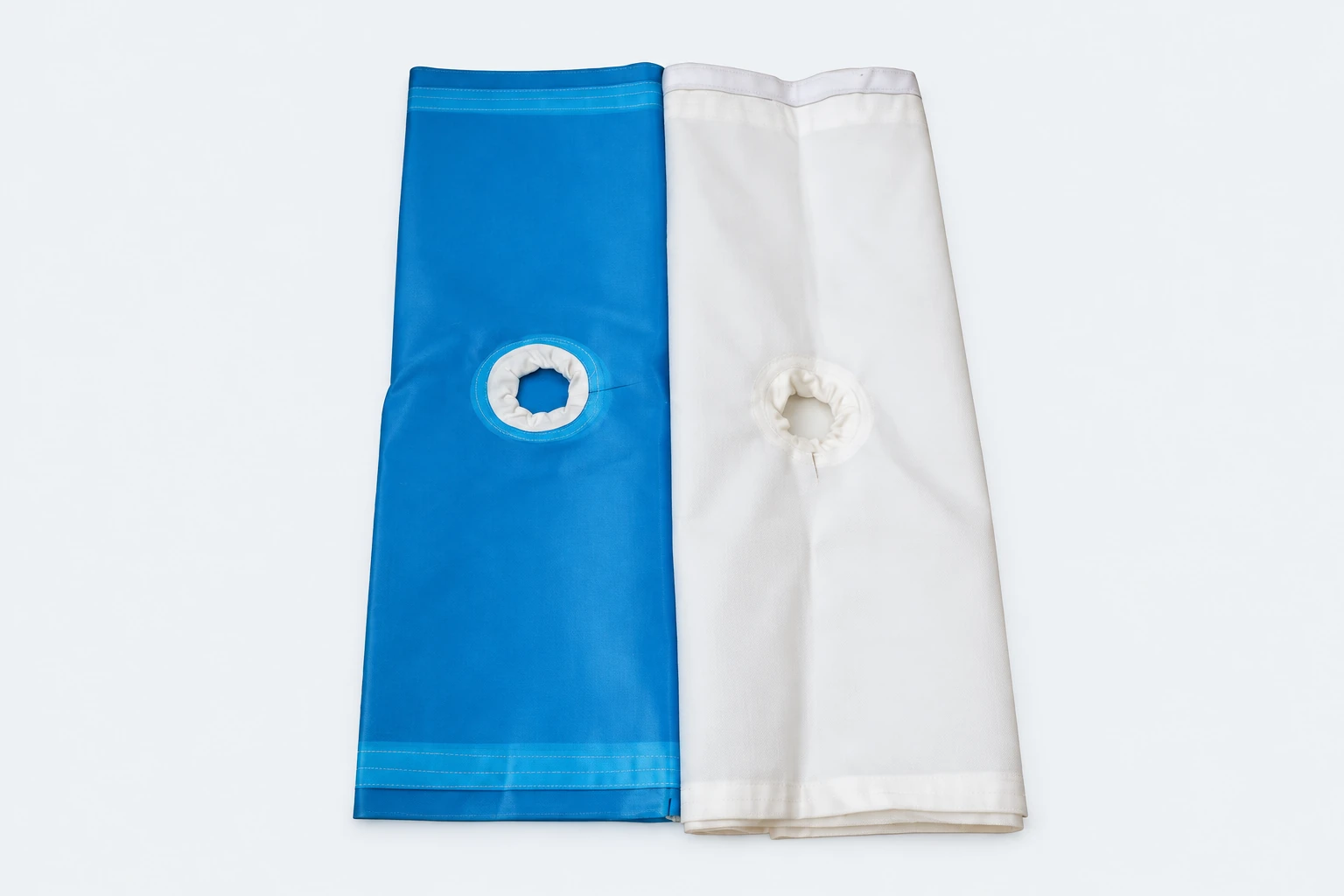
The machine and the replacement problem define the first questions. Share the details that identify the finished cloth, not only the fiber name.
Filter press cloths are finished around a particular plate design and operating arrangement. Confirm the press type before comparing material or construction; the same cloth description cannot be assumed to fit every plate.
Review the chamber plate dimensions, feed opening or neck, sealing edge, attachment, and cloth orientation. Existing cloth photos and a plate drawing help establish the replacement geometry.
Include the membrane plate arrangement, feed path, fixing details, and any movement or cleaning conditions that affect the cloth during the cycle.
Confirm the plate and frame dimensions, cloth outline, openings, edges, seams, and attachment method before selecting a replacement construction.
A filter press filter cloth is a finished component, not just a sheet of fabric. The following inputs help match it to the existing press and prevent avoidable leakage, installation, or alignment problems.
Provide the press type, plate dimensions, plate thickness, and any available drawing or manual page. These details set the outline, support, chamber, and installation context.
Record the feed-hole position, opening size, neck length, and central or offset arrangement. These details control alignment with the slurry feed path.
Describe the gasket or non-gasket edge, edge treatment, seam, reinforcement, and cloth orientation. These details support sealing and placement.
Show clips, ties, eyelets, hooks, buttons, or another fixing method on the current cloth. The attachment keeps the cloth positioned through the cycle.
Material, yarn, weave, finishing, and finished geometry work together. Use the Filter Cloth selection page for the wider solid-liquid filtration context, then compare the material and construction against the press conditions.
PP may be evaluated when liquid chemistry and an economical synthetic option are important priorities. Check the actual chemicals, temperature, cleaning method, yarn, weave, and finished fit.
PET may deserve comparison when temperature, mechanical loading, abrasion, or dimensional demands receive more weight. Check chemistry and hydrolysis risk where relevant.
Woven construction includes yarn and weave choices. Monofilament, multifilament, and combination yarns can create different retention, drainage, cake-release, flexibility, and cleaning tradeoffs.
Start with the separation job and the replacement evidence. A filter press cloth material or specification should be selected against the actual process conditions, equipment configuration, and required filtration result.
Describe the liquid chemistry, solids, particle size and shape, concentration, and any abrasive or sticky behavior.
Record temperature, pressure or cycle conditions, cycle frequency, cleaning, washing, and any flexing or mechanical loading.
State whether the priority is filtrate clarity, drainage, filtration rate, cake dryness, cake release, lower blinding, or stable cycle behavior.
Include leakage, wear, stretching, poor release, blinding, difficult cleaning, installation trouble, or a change in the process.
For a drawing-led or sample-led replacement, provide the existing cloth, plate dimensions, hole positions, feed opening or neck, fixing method, seam, edge or gasket details, and cloth orientation. A photo can explain the part, while a drawing or measurements help confirm the finished geometry.
See Custom Fabricated Filter Cloth when the project needs a formed outline, openings, seams, reinforcement, or another specified finished detail. Fabrication scope and supply are confirmed only after the required evidence and process conditions are reviewed.
A replacement review can follow a clear evidence-to-specification sequence:
Filter press cloth requirements vary by slurry characteristics, operating conditions, and the required separation result. The examples below show common considerations across several industrial applications.
Review abrasive solids, particle shape, cake handling, drainage, and the press loading conditions.
Review liquid chemistry, concentration, temperature, solids, exposure, and cleaning conditions together.
Review sludge properties, filtrate clarity, cake release, cycle behavior, and the existing plate fit.
Review fine or abrasive solids, chemistry, drainage, cake handling, and the intended process result.
For a useful filter press cloth quotation review, send as many of the following as are available:
Recessed chamber, membrane, and plate-and-frame presses each have specific plate, feed, sealing, and attachment details. Confirm the machine and finished geometry before assuming compatibility.
Use the actual chemistry, temperature, mechanical loading, abrasion, cleaning, and cake behavior to compare PP and PET. Neither material is an automatic choice; yarn, weave, finishing, and plate fit also matter.
A photo is a useful starting point for the cloth shape and installation. A drawing, measurements, sample, plate information, and process conditions make replacement matching more reliable.
Send the existing cloth, press information, process conditions, and any purchase record or label. Verify the material and construction instead of guessing from appearance alone.
No. Feed openings, necks, gasket or edge details, seams, attachment, orientation, yarn, weave, process conditions, and the desired cake or filtrate result can all affect the finished specification.
Send the filter press type, plate details, current cloth, drawing or sample, process conditions, and the result you need to improve.